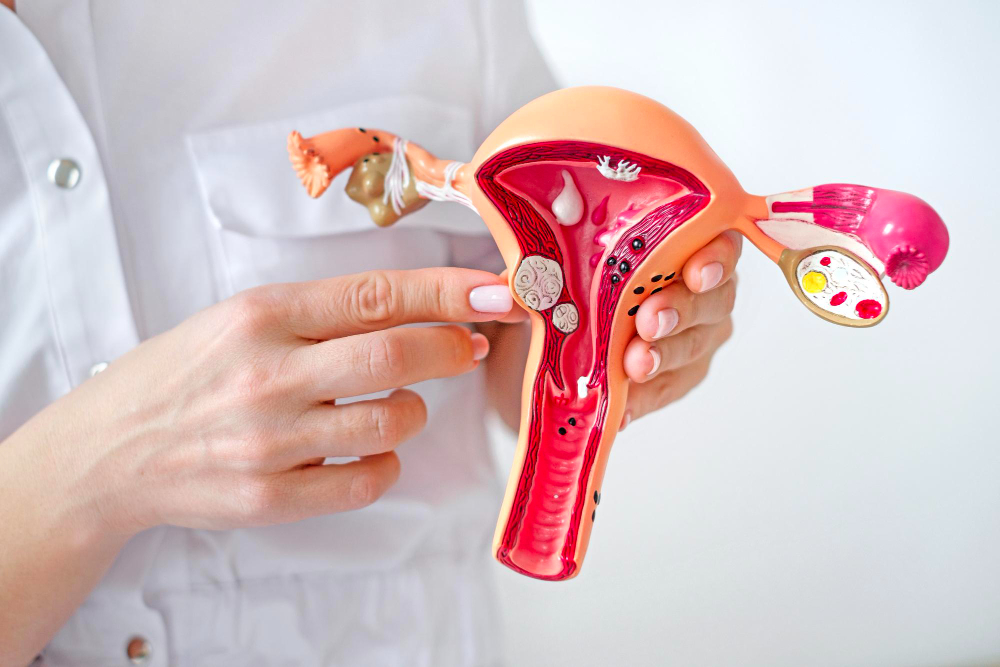
Many women hear about PCOD and PCOS but may not know the difference. PCOD stands for Polycystic Ovarian Disease, while PCOS means Polycystic Ovary Syndrome. Both conditions affect the ovaries and hormones. However, they are not the same. In this blog, we will explain PCOD vs PCOS, their symptoms, causes, diagnosis, and treatment. Understanding the difference between PCOD and PCOS can help you make better health choices.
PCOD, or Polycystic Ovarian Disease, is a common health problem. In PCOD, a woman’s ovaries produce many immature eggs. Over time, these eggs become cysts. As a result, the ovaries may swell and cause hormone changes. PCOD can lead to irregular periods, weight gain, and acne. However, it is usually less severe than PCOS. Many women with PCOD can manage symptoms with simple lifestyle changes.
PCOS stands for Polycystic Ovary Syndrome. It is a hormonal disorder that affects women of childbearing age. In PCOS, the ovaries may not release eggs regularly. This can cause missed periods, excess hair growth, and trouble getting pregnant. Unlike PCOD, PCOS is a metabolic condition. It can also increase the risk of diabetes, heart disease, and high blood pressure. PCOS often needs medical treatment and close monitoring.
Both PCOD and PCOS have similar symptoms. However, the severity may differ. For example, PCOS symptoms are often more intense.
Doctors do not know the exact cause of PCOD or PCOS. However, several factors may increase the risk.
According to the World Health Organization (WHO), lifestyle and genetics play a big role in both conditions.
Doctors use several ways to diagnose PCOD and PCOS. Early diagnosis helps manage symptoms better. If you have signs of either condition, see a doctor. Here are common diagnosis methods:
For more details on how to diagnose PCOD and PCOS, your doctor may suggest extra tests.
Treatment for PCOD and PCOS depends on your symptoms and health goals. While some women need only lifestyle changes, others may need medicine. Here are common PCOS treatment and PCOD management options:
Your doctor will choose the best plan for you.
Simple lifestyle changes for PCOD and PCOS can help manage symptoms. Even small steps can make a big difference. For example, try these tips:
Although you cannot always prevent PCOD or PCOS, a healthy lifestyle lowers your risk.
If you notice symptoms like irregular periods, weight gain, or excess hair, talk to your doctor. Early care can prevent complications. In addition, if you have trouble getting pregnant, seek medical advice. Remember, only a healthcare specialist can diagnose and treat PCOD or PCOS.
Consult Ryan Scan, Diagnostic & Clinic for personalized advice on PCOD or PCOS.