Vascular ultrasound is a safe, non-invasive test. It uses sound waves to create pictures of blood vessels. These images help doctors see how blood flows in your arteries and veins. Because it does not use radiation, it is gentle on your body. Many people find this test quick and painless. In fact, vascular ultrasound is often used to check for blood flow problems early.
Early detection of blood flow problems can prevent serious health issues. For example, blocked arteries may lead to heart attacks or strokes. If doctors find these problems early, they can treat them before they get worse. As a result, you may avoid hospital stays or surgery. Early care also helps you stay active and healthy longer.
Sometimes, blood flow problems do not cause symptoms right away. However, you should watch for signs such as:
There are also risk factors that make blood flow issues more likely. These include:
If you have any of these symptoms or risk factors, talk to your doctor. Early testing with vascular ultrasound may help.
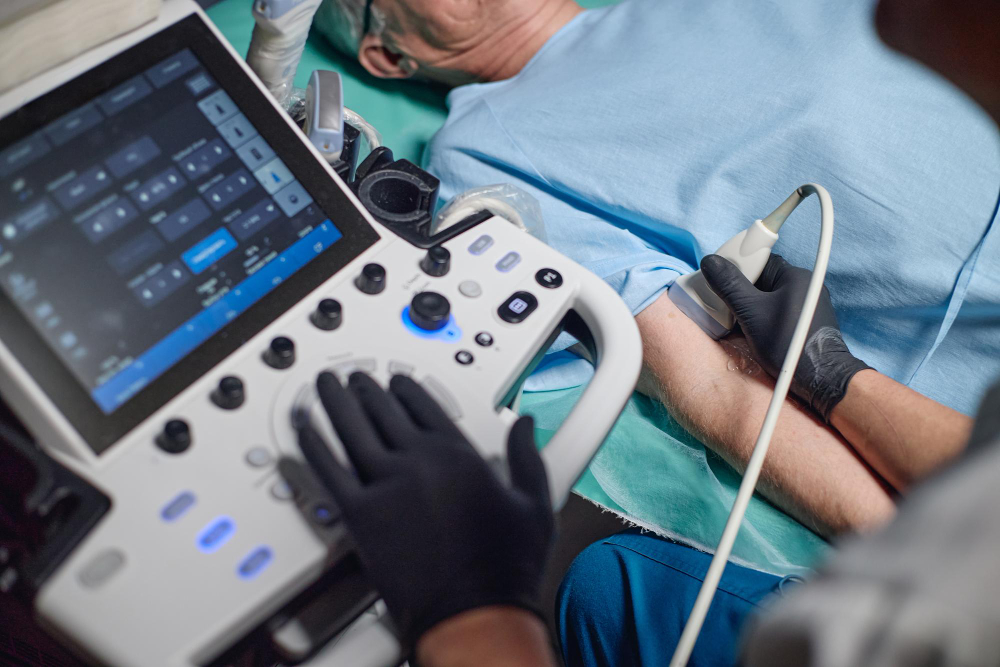
Vascular ultrasound uses a small device called a transducer. This device sends sound waves into your body. Then, the waves bounce off your blood vessels and return to the machine. The computer turns these echoes into pictures. Because the test is non-invasive, you do not need needles or surgery. In addition, you can return to normal activities right after the test.
First, you will lie down on a table. Next, a technician will put a special gel on your skin. This gel helps the sound waves travel better. Then, the technician moves the transducer over the area being checked. You may feel slight pressure, but it should not hurt. The test usually takes 30 to 60 minutes. Afterward, you can go home and wait for your doctor to discuss the results.
There are many benefits of vascular ultrasound, such as:
However, there are some limitations. For example, it may not show very small blockages. Sometimes, other tests are needed for a full diagnosis. Even so, vascular ultrasound remains a key tool for early detection.
Keeping your blood vessels healthy is important. Here are some tips to help:
By following these steps, you can lower your risk of blood flow problems.
In summary, vascular ultrasound is a simple way to detect blood flow abnormalities early. If you have symptoms or risk factors, do not wait. Consult Ryan Scan, Diagnostic & Clinic for advanced vascular diagnostics and personalized medical guidance. Early evaluation can help protect your vascular health and prevent complications.