Kidney imaging tests play a key role in the early detection of renal disease. These tests use pictures to show the shape and health of your kidneys. Because kidney problems often start without clear symptoms, early diagnosis is important. With the help of kidney imaging tests, doctors can spot issues before they become serious. This guide explains what these tests are, why they matter, and how they help protect your health.
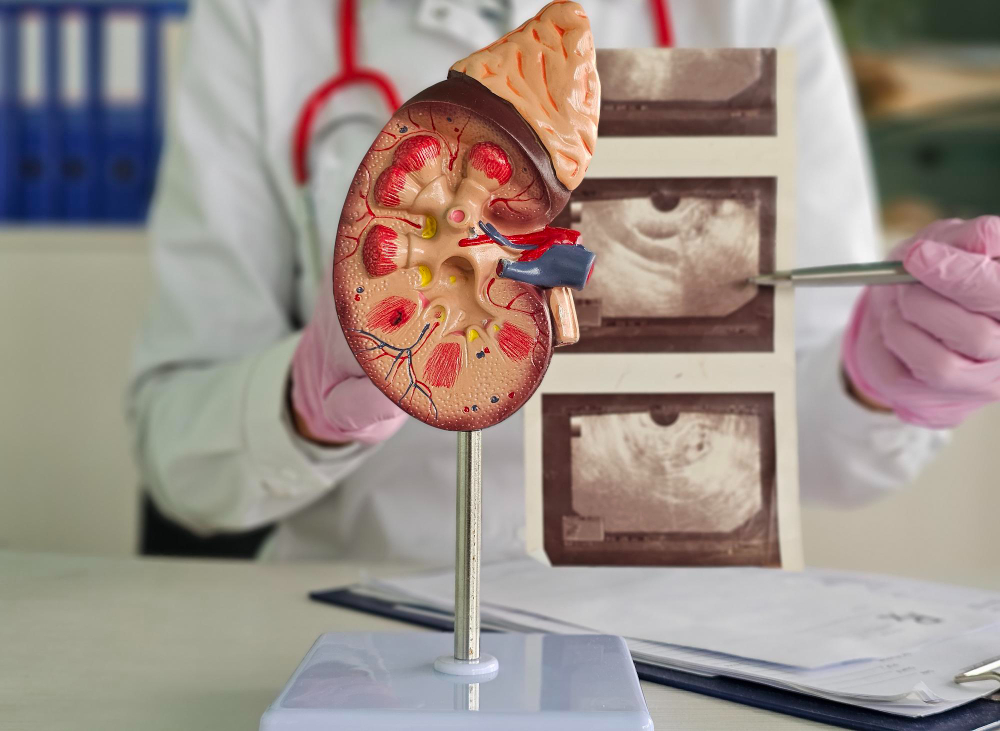
Kidney imaging tests are special scans that take pictures of your kidneys. These pictures help doctors see if your kidneys are healthy or if there are any problems. For example, they can show kidney stones, cysts, or swelling. Some common imaging tests include ultrasound, CT scan, and MRI. Each test uses a different method to create clear images of your kidneys.
Early detection of renal disease can make a big difference. When kidney problems are found early, treatment can start sooner. As a result, you may avoid serious health issues. For instance, early care can help prevent kidney failure or the need for dialysis. According to the CDC, many people do not know they have kidney disease until it is advanced. Therefore, regular check-ups and imaging tests are important for those at risk.
There are several types of kidney imaging tests. Each has its own use and benefits. Here are the most common ones:
Sometimes, doctors may use other tests, such as X-rays with dye, to get more details.
Imaging tests help doctors find kidney problems early. For example, they can show if your kidneys are swollen or if there are growths. In addition, these tests can spot kidney stones or blockages that may cause pain. Because imaging tests provide clear pictures, doctors can plan the best treatment for you. Early diagnosis often leads to better outcomes and fewer complications.
Most kidney imaging tests are simple and quick. Here is what you can expect:
Usually, you can go home right after the test. Your doctor will explain the results and next steps.
Kidney imaging tests offer many benefits. For instance, they help find problems early and guide treatment. They are usually safe and do not require surgery. However, there are some limits. Some tests use radiation or dye, which may not be safe for everyone. Also, imaging tests may not show very small changes in the kidneys. Therefore, doctors may use other tests, like blood or urine tests, to get a full picture.
Keeping your kidneys healthy is important. Here are some tips to help prevent renal disease:
Because early action can protect your kidneys, talk to your doctor about your risk and the need for imaging tests.
In summary, kidney imaging tests are vital for the early detection of renal disease. They help doctors find problems before they become serious. If you have risk factors or symptoms, do not wait. Consult a healthcare specialist at Ryan Scan, Diagnostic & Clinic for personalized advice on kidney health and early detection of renal disease.